Superior Protection & Sustainable Innovation & Cost Efficiency – Straw Pulp Egg Packaging

The Versatile World of Egg Boxes in Packaging Solutions
21 Apr,2026
Egg boxes, often overlooked in the broader landscape of packaging, play a crucial role in the transportation and protection of eggs. These specialized containers are designed to cradle and secure eggs during transit, minimizing the risk of breakage and ensuring that they arrive at their destination in optimal condition. Understanding the intricacies of egg boxes can help businesses in the packaging and printing sector enhance their product offerings and cater to the needs of their clients effectively.
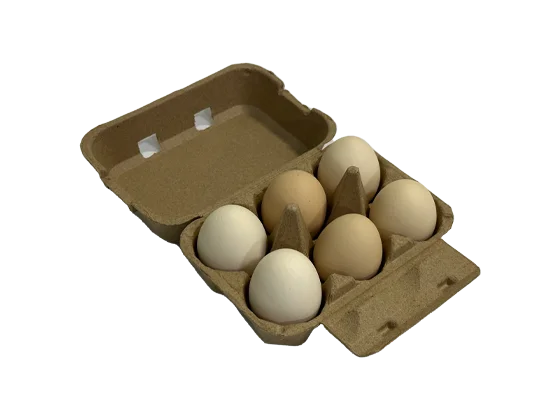
One of the primary materials used in the construction of egg boxes is molded pulp. This biodegradable material is derived from recycled paper, making it an environmentally friendly option. Molded pulp egg boxes are not only effective in cushioning the eggs but also contribute to sustainability efforts, as they can be recycled after use. This aligns with the growing demand for eco-friendly packaging solutions among consumers and businesses alike.
 Another alternative for egg packaging is plastic egg trays. While they are less eco-friendly than molded pulp options, plastic trays offer durability and reusability. They are often employed in commercial settings where bulk packaging and transportation are common, allowing for easy stacking and handling. However, as environmental concerns rise, many manufacturers are exploring innovative ways to incorporate sustainable practices into their plastic production processes.
Egg boxes come in various designs and configurations, tailored to different market needs. For example, the standard 12-egg carton is widely recognized, but there are also options for 6-egg, 18-egg, and even 30-egg configurations. These variations cater to different consumer preferences and purchasing behaviors. Customization options, such as printing logos or branding on the boxes, can also enhance a product’s visibility on the shelf, making egg boxes not only functional but also a marketing tool.
The benefits of using egg boxes extend beyond mere convenience. The design of these boxes includes features that help maintain the integrity of eggs. For instance, the egg cups are contoured to fit the shape of the eggs securely, preventing movement that could lead to cracks. Furthermore, the ventilation holes commonly found in egg boxes allow for proper air circulation, which helps in maintaining the freshness of the eggs.
In conclusion, egg boxes are a vital component of the packaging solutions landscape, particularly within the food industry. Their role in protecting eggs, promoting sustainability, and enhancing product visibility cannot be overstated. As the demand for innovative packaging solutions continues to grow, businesses must stay informed about the latest trends and materials in egg box production to meet the evolving needs of their customers. By understanding the unique features and benefits of egg boxes, companies can position themselves as leaders in the packaging and printing industry, offering solutions that not only protect but also promote their clients' products effectively.
Recent Posts



Address: RM1605, Building B, Kailun International Mansion, Jinmalu, Dalian Economic Development Zone, Dalian City, Liaoning Province, 116000
Sustainable Packaging:www.eco-pack.com

Chat