Superior Protection&Faster Decomposition & Cost Savings – Food-Grade Sustainable Packaging

The Ultimate Guide to Storing Eggs: Why a Proper Egg Container Matters
15 Apr,2026
The Ultimate Guide to Storing Eggs: Why a Proper Egg Container Matters
Table of Contents
- Introduction to Egg Storage
- The Importance of Egg Containers
- Different Types of Egg Containers
- Choosing the Right Egg Container
- Proper Storage Techniques for Eggs
- Egg Freshness Checklist
- Common Mistakes in Egg Storage
- FAQs About Egg Storage
- Conclusion
Introduction to Egg Storage
Eggs are a staple in many households, recognized for their versatility and nutritional value. However, **storing eggs properly** is crucial for maintaining their freshness and taste. The way we store eggs can affect their **shelf life**, flavor, and even safety. This guide delves into the various aspects of egg storage and examines why investing in a quality egg container is vital for every kitchen.
The Importance of Egg Containers
Egg containers are more than just a convenient way to hold eggs; they serve critical functions that impact the quality of the eggs. Proper containers can:
- **Protect eggs from damage**: Eggs are fragile, and a sturdy container helps to shield them from breaking.
- **Regulate humidity**: The right container can help maintain an optimal humidity level for preserving freshness.
- **Organize your fridge**: A designated space for eggs enhances organization and makes it easier to keep track of expiration dates.
- **Prevent odors**: Eggs can absorb strong smells from other food items. Using a sealed or specialized container minimizes this risk.
By understanding these benefits, you can appreciate why a high-quality egg container is essential for both home cooks and culinary enthusiasts.
Different Types of Egg Containers
When it comes to egg containers, there is a wide variety available, each with unique features. Here are some popular options:
Plastic Egg Containers
Plastic containers are lightweight and often come with a lid. They provide adequate protection and are usually stackable, making them a space-saving option.
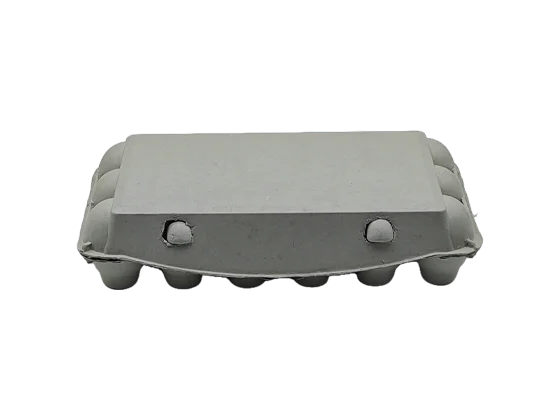
Cardboard Egg Containers
These eco-friendly options are often used by farms and grocery stores. They allow for airflow, which can help keep eggs fresh. However, they are less durable than plastic containers.
Glass Egg Containers
Glass containers are visually appealing and offer a premium feel. They are easy to clean and don’t absorb odors, making them a great choice for long-term storage.
Metal Egg Containers
Metal containers are highly durable and often come with airtight seals. They are particularly good for preserving freshness but can be heavier and more expensive compared to other options.
Specialized Egg Holders
Some containers are designed for specific purposes, like **deviled egg trays** or **egg carriers** for transportation. These can be useful for gatherings or picnics.
Choosing the Right Egg Container
Selecting the right egg container involves considering several factors:
Material
Consider the material that best suits your needs. Plastic and glass are popular choices, but you may prefer the eco-friendliness of cardboard or the durability of metal.
Size
Choose a container that fits your fridge space and holds the number of eggs you typically purchase. Some containers can hold up to two dozen eggs, while others are more compact.
Design
Look for a design that allows for easy access and visibility. Clear containers or those with windows can help you quickly check egg levels.
Sturdiness
A sturdy container will protect eggs from accidental bumps or falls. Choose one that is less likely to crack or break if dropped.
Sealability
If you want to prevent odor absorption, select a container with a tight seal. This feature is particularly important if you have strong-smelling foods in your refrigerator.
Proper Storage Techniques for Eggs
Once you've chosen the right container, it's time to focus on how to store your eggs effectively. Here are some essential techniques:
Keep Eggs in Their Original Packaging
If possible, keep eggs in their original carton until you need to use them. The carton protects against temperature fluctuations and helps maintain quality.
Store Eggs in the Main Body of the Fridge
Avoid placing eggs in the refrigerator door, as this area experiences temperature changes. Instead, store them in the main compartment for optimal preservation.
Avoid Washing Eggs Before Storage
Washing eggs can remove their natural protective coating, which helps keep bacteria at bay. Only wash them right before use.
Check for Temperature Consistency
Ensure that your refrigerator maintains a consistent temperature of around 35°F to 40°F (1.6°C to 4.4°C). Fluctuations can diminish egg quality.
Use a Rotating System
Practice a "first in, first out" system. When you buy new eggs, place them behind older ones to ensure that you use the older eggs first.
Egg Freshness Checklist
To ensure your eggs are fresh, consider the following checklist:
Check the Expiration Date
Always check the date printed on the carton. Use eggs before this date for the best quality.
Perform the Float Test
Place the egg in a bowl of water. Fresh eggs will sink, while older eggs will float due to air pockets forming inside.
Inspect the Shell
Look for any cracks or abnormal textures. A clean, smooth shell is a good sign of freshness.
Smell Test
If you’re ever in doubt, crack the egg open. A foul odor indicates that the egg is no longer good to eat.
Common Mistakes in Egg Storage
Avoid these common pitfalls when storing eggs:
Storing Eggs at Room Temperature
Eggs should always be refrigerated. Storing them at room temperature can lead to spoilage.
Ignoring Expiration Dates
Always monitor the expiration dates and use the freshest eggs possible to avoid health risks.
Storing Eggs with Strong Odors
Avoid placing eggs near foods with strong odors, such as onions or garlic. This can affect the taste of the eggs.
FAQs About Egg Storage
1. Can I freeze eggs for long-term storage?
Yes, you can freeze eggs. Crack them into a container, beat until mixed, and freeze. Do not freeze eggs in their shells.
2. How long can eggs be stored in the fridge?
Eggs can typically be stored in the fridge for 3 to 5 weeks from the purchase date.
3. Is it safe to eat eggs past the expiration date?
If eggs have been stored correctly and pass the freshness tests, they can often be consumed even past the expiration date.
4. What’s the best way to clean eggs before use?
Wash eggs under running water just before cracking them open. Avoid soaking them, as this can remove protective coatings.
5. Can I store eggs in a plastic bag?
While it’s not recommended, if you must, make sure the bag is clean and that you can maintain a stable temperature to minimize the risk of spoilage.
Conclusion
Understanding the intricacies of egg storage can significantly enhance your culinary experience. The choice of an egg container is pivotal in maintaining freshness and safety. By selecting the right type, utilizing effective storage techniques, and avoiding common mistakes, you can ensure that your eggs remain delicious and safe to consume. Embrace the importance of proper egg storage in your kitchen, and elevate your cooking to new heights. With this ultimate guide, you’re now equipped to make informed decisions about storing eggs and choosing the right containers, ensuring that your kitchen remains a bastion of freshness and quality.
Recent Posts



Address: RM1605, Building B, Kailun International Mansion, Jinmalu, Dalian Economic Development Zone, Dalian City, Liaoning Province, 116000
E-mail: egg-pack@egg-pack.com
TEL: +86 18642767680
Chat