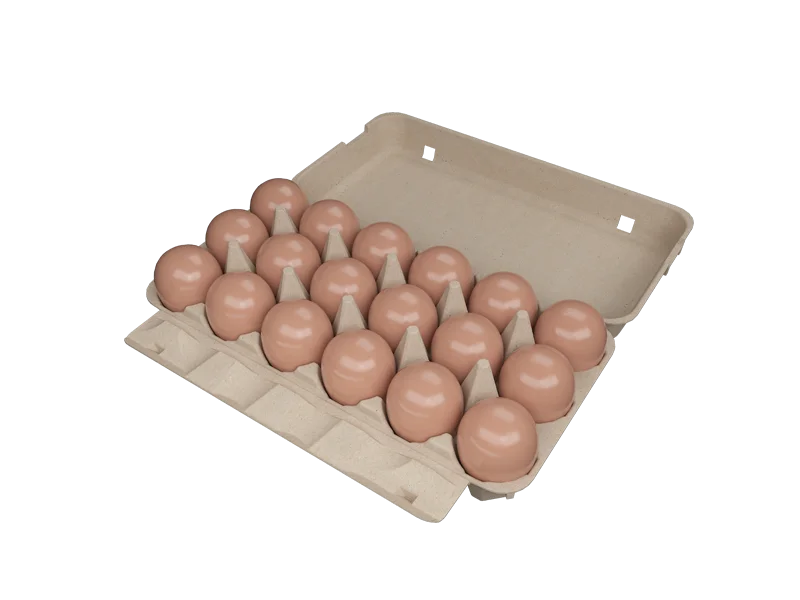
Superior Protection&Faster Decomposition & Cost Savings – Food-Grade Sustainable Packaging
Investing in Quality Egg Trays: What You Need to Know for Optimal Packaging
13 May,2026
Investing in Quality Egg Trays: What You Need to Know for Optimal Packaging
Table of Contents
- Understanding the Importance of Quality Egg Trays
- Types of Egg Trays: Which One is Right for You?
- Material Matters: Choosing the Best Egg Tray Material
- Design Features that Enhance Protection
- Sustainability in Egg Tray Production
- Cost Considerations: Balancing Quality and Budget
- How to Source Quality Egg Trays for Your Business
- FAQs About Investing in Quality Egg Trays
Understanding the Importance of Quality Egg Trays
When it comes to packaging eggs, the significance of quality egg trays cannot be overstated. **Egg trays** serve as the first line of defense against damage during transportation and storage. Investing in **high-quality egg trays** ensures that eggs remain intact, reducing the likelihood of breakage and spoilage. This not only safeguards your product but also enhances your brand reputation in the market.
Types of Egg Trays: Which One is Right for You?
There are various types of egg trays available, each serving different needs and preferences. Understanding these options can help you make an informed decision:
1. Plastic Egg Trays
Plastic egg trays are durable, reusable, and lightweight. They offer excellent protection against impacts and are resistant to moisture, making them suitable for long-term use. However, they may come with a higher initial cost.
2. Paper Egg Trays
Paper egg trays are biodegradable and eco-friendly. They offer sufficient protection for eggs, but their durability is less than that of plastic trays. They are an excellent option for businesses focusing on sustainability.
3. Foam Egg Trays
Foam egg trays provide a cushioned fit, absorbing shocks during transit. They are lightweight and cost-effective but may not be as eco-friendly as paper options.
4. Molded Fiber Egg Trays
Molded fiber trays are made from recycled paper products and offer a strong, eco-friendly alternative. They are biodegradable and provide good protection for eggs, making them a popular choice among environmentally conscious businesses.
Material Matters: Choosing the Best Egg Tray Material
The material of your egg trays impacts not only their protective capabilities but also their environmental footprint. Here’s a breakdown of the most common materials:
1. Plastic
Plastic offers **durability and moisture resistance**. However, it poses challenges in terms of recycling and environmental impact. Consider sourcing trays made from recycled plastic to mitigate these concerns.
2. Paper
Paper is biodegradable and can be sourced sustainably. It’s crucial to choose trays made from recycled material to enhance their environmental benefits.
3. Molded Fiber
Molded fiber egg trays are a sustainable option that offers strength and protection. Their eco-friendliness, combined with adequate protection, makes them an excellent choice for many businesses.
Design Features that Enhance Protection
The design of egg trays plays a critical role in their effectiveness. Here are key features to look for:
1. Cell Size and Shape
Cell size should be appropriate for the egg size. Oversized cells can lead to movement and breakage, while undersized cells can compress the eggs. Look for trays that securely cradle the eggs without too much pressure.
2. Thickness
Thicker materials generally provide better protection against impacts. Ensure the tray material is thick enough to withstand stacking and transportation stresses.
3. Ventilation Holes
Some trays come with ventilation holes to promote airflow, reducing moisture buildup and prolonging shelf life. This feature is particularly useful for long storage periods.
Sustainability in Egg Tray Production
As consumers become more environmentally conscious, the demand for sustainable packaging solutions increases. Investing in eco-friendly egg trays not only helps the planet but can also attract a broader customer base. Here are some sustainable practices to consider:
1. Sourcing Recycled Materials
Choose suppliers that use recycled materials in their egg tray production. This practice reduces landfill waste and conserves natural resources.
2. Biodegradability
Opt for trays that are fully biodegradable, such as those made from molded fiber or paper. This ensures that your packaging will not contribute to long-term pollution.
3. Energy-Efficient Production
Support manufacturers that utilize energy-efficient processes in their production. This reduces the carbon footprint associated with egg tray manufacturing.
Cost Considerations: Balancing Quality and Budget
While investing in high-quality egg trays is essential, it’s also important to consider your budget. Here are some tips for balancing quality with cost:
1. Bulk Purchasing
Buying in bulk can significantly reduce costs per unit. This strategy is particularly effective for businesses with high turnover rates.
2. Comparing Suppliers
Take the time to compare multiple suppliers. Look for those who offer a balance of quality and pricing. Request samples to assess the quality before placing large orders.
3. Long-Term Investment
Consider the long-term savings associated with investing in quality trays. While the upfront cost may be higher, reducing breakage and spoilage can lead to significant savings over time.
How to Source Quality Egg Trays for Your Business
Finding the right supplier for egg trays is crucial. Here are steps to ensure you make the best choice:
1. Research Suppliers
Start by researching suppliers that specialize in egg packaging. Look for reviews and testimonials from other businesses to gauge their reputation.
2. Request Samples
Always request samples before purchasing. This allows you to evaluate the quality and suitability of the trays for your specific needs.
3. Assess Customer Service
Choose suppliers known for excellent customer service. A responsive supplier can help you navigate any issues that arise and provide support when needed.
FAQs About Investing in Quality Egg Trays
1. What are the benefits of using quality egg trays?
Quality egg trays minimize breakage, reduce spoilage, and enhance your product's overall presentation, ultimately leading to greater customer satisfaction and loyalty.
2. How do I determine the right material for my egg trays?
Consider your priorities regarding durability, environmental impact, and cost. Plastic offers durability, while paper and molded fiber are more eco-friendly options.
3. Are biodegradable egg trays effective for protecting eggs?
Yes, biodegradable egg trays made from molded fiber or paper can provide excellent protection while being environmentally responsible.
4. Can I customize egg trays for branding purposes?
Many suppliers offer customization options, allowing you to print your logo or brand colors on the trays, enhancing brand visibility.
5. How can I ensure sustainability in my egg trays?
Choose trays made from recycled materials, opt for biodegradable options, and support manufacturers that use energy-efficient production methods.
Conclusion
Investing in quality egg trays is a crucial decision that impacts the safety and integrity of your products. By understanding the various types of trays, materials, design features, and sustainability practices, you can make informed choices that align with your business goals. Quality packaging not only protects your eggs but also enhances your brand's reputation and contributes to a more sustainable future. As you embark on this investment, prioritize quality and reliability to ensure that your eggs reach consumers in perfect condition.
Previous
Recent Posts